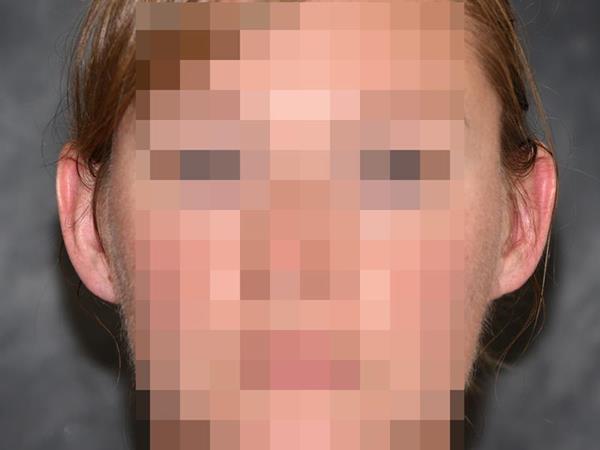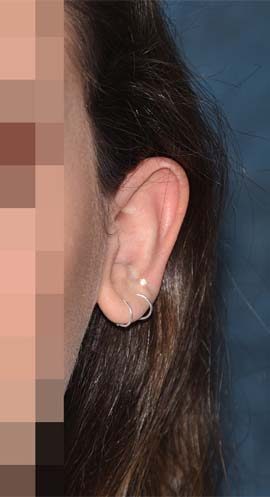
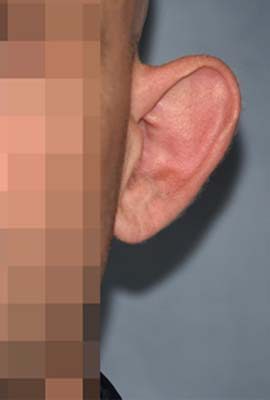



Prominent ear correction is a procedure for setting back ears that are too prominent or stick out.
Ears that stick out are quite common. This can be because the ear cartilage did not fold properly, or the cartilage is too large and sometimes both. These can be treated through the back of the ear which leaves a scar down the back of the ear. Either the unfolded cartilage is reshaped and held in place with stitches or the overly large cartilage is made smaller.
The surgery is usually done as a short visit to the hospital under a local anaesthetic (injection to numb the skin). It can be done with a general anaesthetic (medically induced sleep).
Prominent ear correction is a procedure that may be carried out on children or adults. It is for people who feel self conscious about their ears. Very occasionally it may be carried out because the ears cause problems with special protective head-gear that is required for someone’s work. For children it is usually best carried out when the child asks for it themselves rather than before they can understand what is going on. The earliest I would offer the surgery is 4 years but I much prefer to wait until the child is 7 or 8 and asking to have it done.
Prominent ear correction can be carried out under local anaesthetic (awake with numbing injections) or under general anaesthetic (asleep). There are a number of techniques. The best technique will depend on the cause of the prominent ears, the experience of the surgeon and the preferences of the patient. Most techniques involve placing a scar on the back of the ear.
The suture (stitch) technique (or Mustarde-Furnas technique).
For the suture technique a cut is made down the back of the ear. The cartilage is then shaped or folded and held in place with stitches (the Mustarde technique). Sometime the cartilage is thinned or scored to help if maintain its position. Frequently the cartilage is rotated in closer to the side of the head and held in place with stitches (the Furnas technique). The extra skin is removed and the incision closed with a dissolving stitch.
Ear cartilage reduction technique (conchal reduction).
The large ‘bowel of cartilage that forms the centre of the ear is called the concha. Where this cartilage is too large causing the ear to stick out; it can be reduced by removing a strip of cartilage. This is usually done with a cut down the back of the ear.
The anterior cartilage scoring technique (the Chong Chet technique).
The anterior scoring technique involves a cut down the back of the ear. The skin on the front of the ear is then lifted of the cartilage and the anterior surface of the cartilage is scored vertically a number of times. This causes the cartilage to bend and enables the ear to be reshaped.
Firstly you must be sure that you understand what is involved with the surgery. You must understand what the surgery can achieve for you and be sure that this is right for you. You must know how long it will take for you to recover and know about possible complications. If you have doubts or further questions you should ask your surgeon well before your operation. This may be possible over the telephone but usually it is better to return to the clinic. Smoking. Smoking increases the risk of complications from surgery. If you stop smoking 4 to 6 weeks before your surgery the risks are reduced. You should avoid aspirin type drugs for 10 days before your surgery. This type of drugs can increase the risk of bleeding.
You will come into hospital on the day of surgery. The operation can be carried out under local anaesthetic (awake with numbing injections) or under general anaesthetic (asleep). Usually you will go home the same day although if you have a general anaesthetic you may go home the next morning. A bandage or head-band is used to cover your ears after the procedure. This should normally be left on for 48 hours day and night and worn for 6 weeks at night to protect the ears when you are asleep. You will be prescribed regular painkillers and be given extra painkillers if you need them. Modern anaesthetic techniques help to reduce or even prevent sickness following surgery. The stitches are dissolving. You will be offered a dressing check one week after the surgery and return for a clinic follow up after one month.
Immediately following surgery there is some swelling and bruising. The bruising and swelling improves over 14 days after the surgery. There may be some residual bruising and swelling for 3 or even 4 weeks. People vary in the time they need to recover following surgery. Most people will want to take 2-3 days off work for office type work. Children will normally take at least one week off school. Generally you can start driving when you feel able but this is likely to be 5 to 7 days after the operation. It is illegal to drive with in 48 hours of a general anaesthetic. Obviously you must be able to drive comfortably and safely. Light exercise can start from 4 weeks building up to normal exercise after 6 to 8 weeks. Swimming should be avoided until the wounds are well healed which is usually about 4 weeks. A full recovery will usually take 6 weeks.
The majority of patients who have their prominent ears set back are pleased with the results and feel more self-confident.
The following describes the principal complications of prominent ear correction type operations; it does not cover all possible complications. Serious complications are rare in healthy individuals however very rarely it is possible to have serious complications which can even be life threatening. Patients who smoke, are overweight or have medical problems such as diabetes are more likely to suffer complications and may not be suitable for this type of surgery.
Complications from the anaesthetic
Modern anaesthetics are very safe and serious complications are very rare in healthy people. You should discuss concerns about your anaesthetic with your anaesthetist. Your anaesthetist will give you drugs to control pain and sickness during your recovery. If you would like to meet with an anaesthetist to discus your concerns prior to your surgery this can be arranged.
Bleeding and haematoma (build up of blood under the skin)
Occasionally bleeding does occur after the operation and a second operation may be necessary to remove the build up of called a haematoma. If this does occur a normal recovery usually takes place after the blood has been removed.
Nausea and vomiting
Nausea and vomiting are sometimes a complication of having a general anaesthetic. It is more common in children following prominent ear correction when the surgery is carried out under a general anaesthetic. Stimulating the ear can cause nausea even vomiting in some people.
Infection and wound break down
Infection may complicate any operation. It is unusual in operations on the ears as the ear skin has an excellent blood supply and this helps to protect against infection.
Skin necrosis
Skin necrosis is where an area of skin loses its blood supply either due to the surgery or possibly infection. The skin then dies and the area is replaced with scar tissue. This is fortunately very rare in healthy people. However it can result in a slow healing wound on the ear and ultimately in deformities. In Mr Hurren’s opinion the anterior scoring or Chong-Chet approach puts the skin at greater risk that the other procedures and for this reason he tends not to recommend it.
Poor scarring and keloid scars
Scars can stretch, be lumpy, stay pink or become brown (pigmented). Usually prominent ear correction scars are good. However in a small proportion of patients (about 3%) the scar can become keloid. A keloid scar is where the tissues go on forming scar tissue resulting in a lump. These lumps can become large in which case they are very visible and can even push the ear out from the side of the head. Keloid scars are difficult to treat. They sometimes improve with steroid injections. Surgery may help in combination with steroid injections but the keloid scars tend to reform.
Asymmetry
Asymmetry of the ears and face is common and so may exist before the operation. Surgery is not an exact science and asymmetry may exist after surgery even where it was not present before hand.
Pain and tender ears
The pain from the surgery usually settles down over the first few days. Tenderness to the touch lasts longer and the ears may remain tender for 3 to 4 months after the operation. More rarely the pain and tenderness can persist.
Cartilage irregularities deformities
Reshaping cartilage is not an exact science and it can also be affected by scarring during healing. Sometimes irregularities of the cartilage may appear and be felt through the skin or even be visible. The conchal reduction technique involves cutting the cartilage and the edge from where the cartilage is cut is often visible although many people find this unconcerning.
Recurrence of the prominent ears
Cartilage is quite elastic so has a tendency to spring back into its original position. For this reason it is possible for the ears to become prominent again. This is more likely following the suture technique (Mustarde-Furnas) than with the other techniques.
Deep vein thrombosis (DVT) and pulmonary embolus (PE)
Deep vein thrombosis is a blood clot forming in the veins and a pulmonary embolus is where one of these clots breaks off and travels to the lungs, which can be fatal. This is a rare complication of general anaesthetics surgery of the pelvis and legs. There are a number of risk factors such as having previously had a blood clot, obesity, oral contraceptive pill, hormone replacement therapy and many others. You can help to protect yourself by getting up and walking around as soon as you can following your operation.
You should consider if any of the alternatives to surgery may be able to achieve the desired result for you.
No surgery
Not having surgery is always an option. If you are unsure there is no reason why surgery cannot be performed on another occasion.
Counselling
Where teasing has been a problem counselling may helpful.
Growing ones hair
Growing ones hair longer is a way of concealing prominent ears.
Speak to your General Practitioner
Your General Practitioner has a broad knowledge of medicine. Your GP will be able to examine you to decide if you should have any investigations. Your GP may recommend a surgeon or a hospital where they feel you will get good advice about surgery.
Outpatient consultation with a Consultant Plastic Surgeon
An outpatient consultation with a Consultant Plastic Surgeon will enable you to discuss what result you would like to achieve. They will also be able to make recommendations as to how best to treat you and whether there are any special considerations for you.
Department of Health (England and Wales):
www.dh.gov.uk search under – Cosmetic surgery and non-surgical cosmetic treatments. Independent and objective advice on cosmetic surgery from the department of health.
These photographs are all of patients who have undergone prominent ear correction surgery with Jeremy Hurren. They have all given their written consent for the photographs to appear on Jeremy Hurren’s Website. It is important to appreciate that photographs of the results of cosmetic surgery should not be considered a ‘catalogue’ from which you can choose the appearance that you would like.
Many factors determine the appearance following surgery and most of these can not be changed. However they may be helpful in discussions with your surgeon about your expectations and what may or may not be possible for you.
Please note: Mr Hurren will not discuss the details of the surgery these patients have had except with patients who have seen him in clinic and are planning to undergo surgery themselves.
Prominent ear correction (bat ear correction).
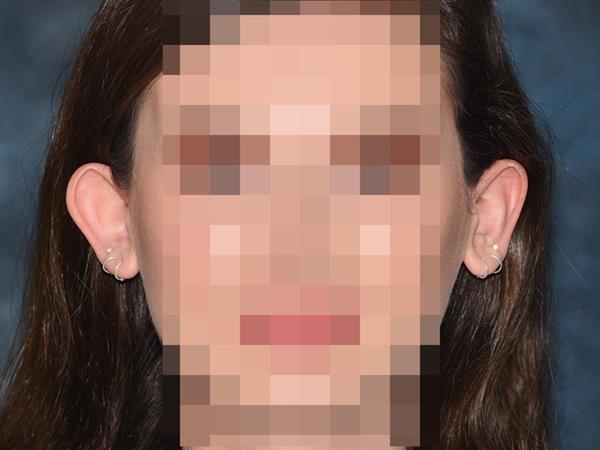

Prominent ear correction (bat ear correction).
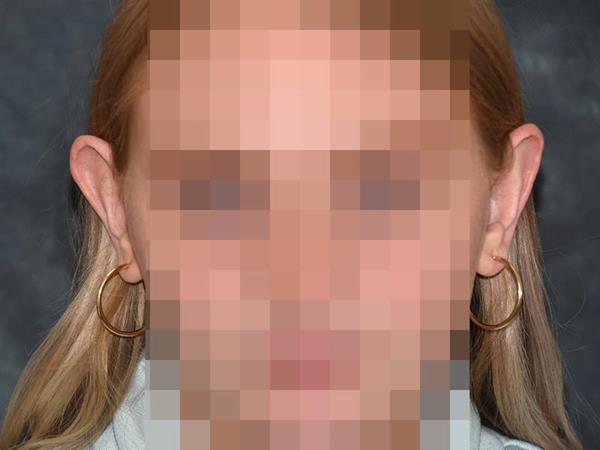
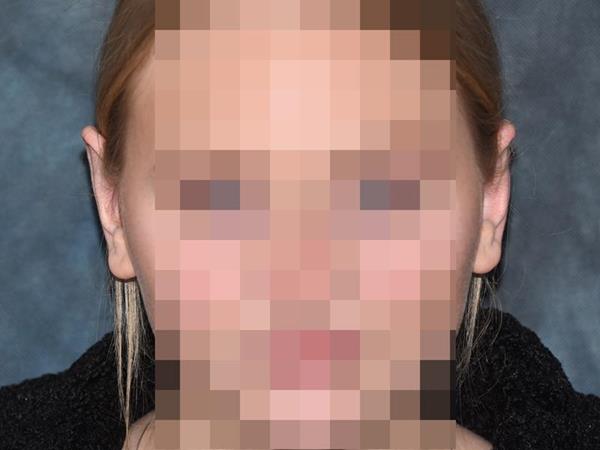
Prominent ear correction (bat ear correction).


Left prominent ear correction (bat ear correction).
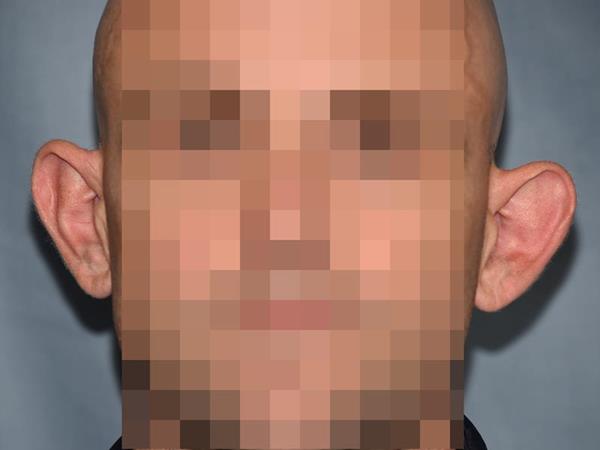
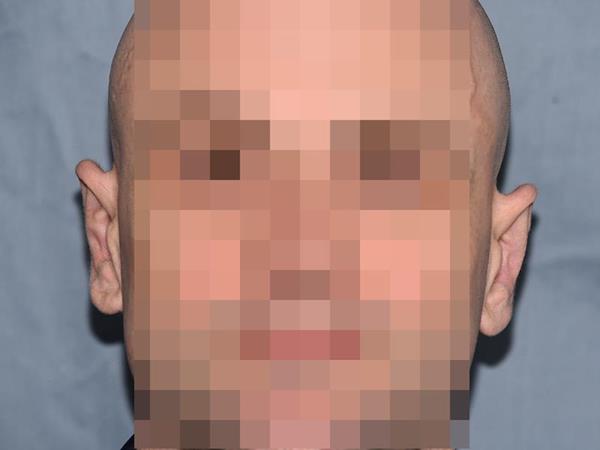
Prominent ear correction (bat ear correction).

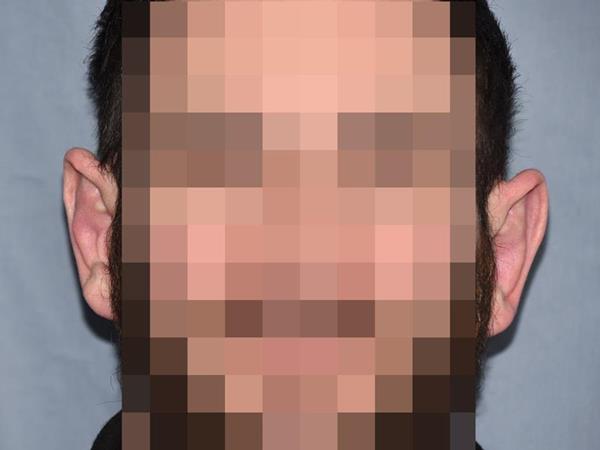
Prominent ear correction (bat ear correction).


Prominent ear correction (bat ear correction).

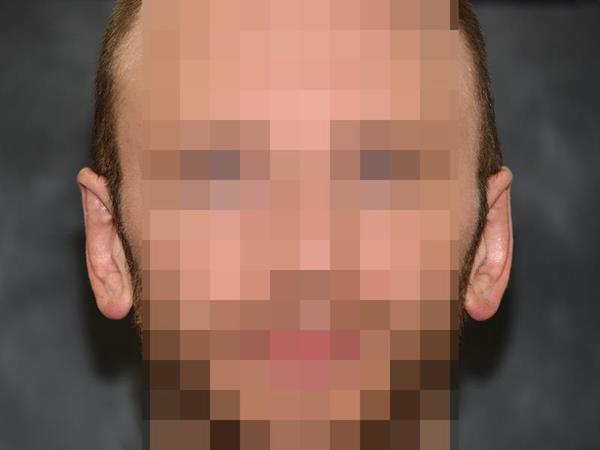
Prominent ear correction (bat ear correction).