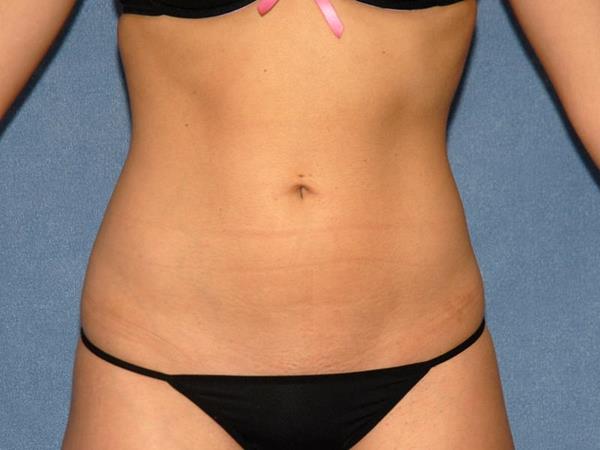
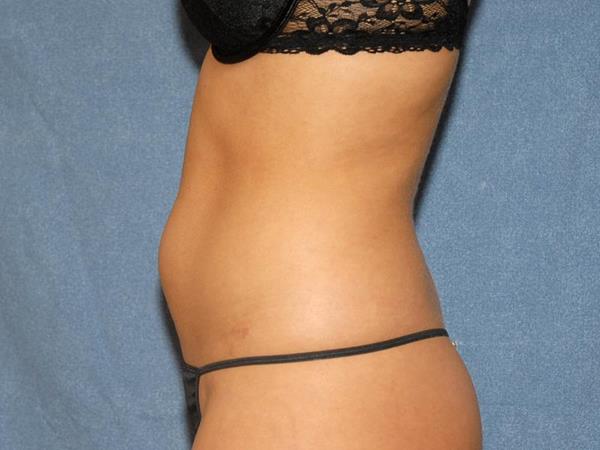
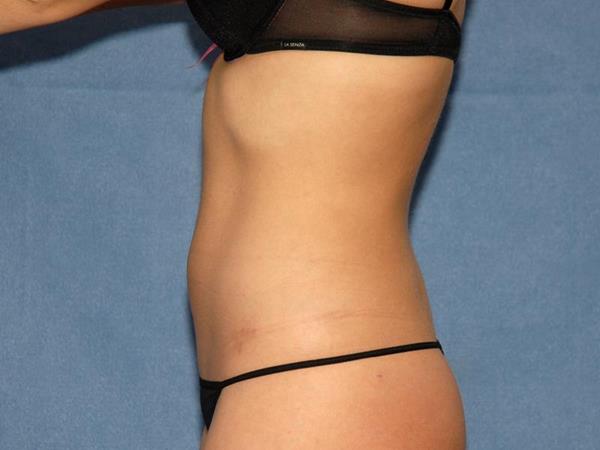
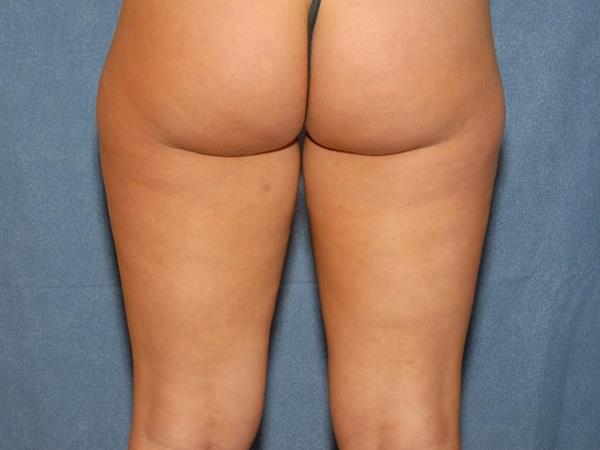
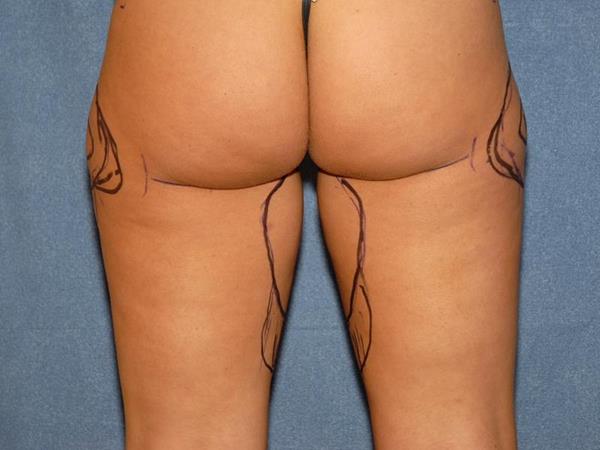
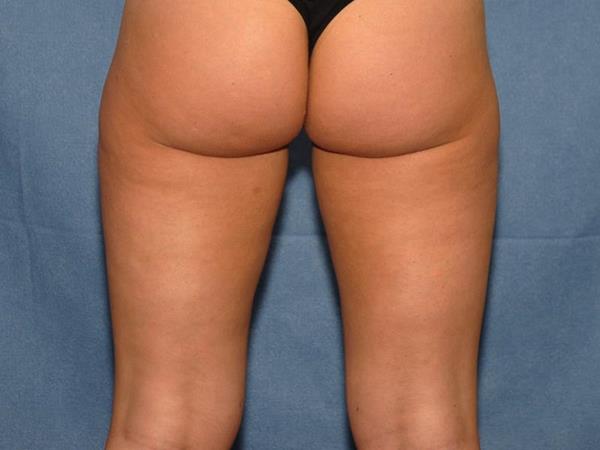
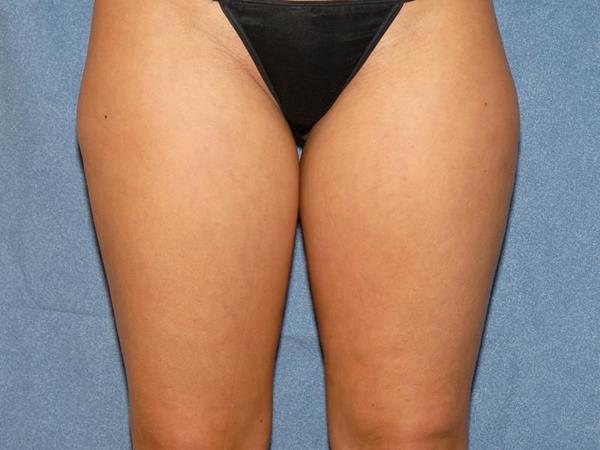
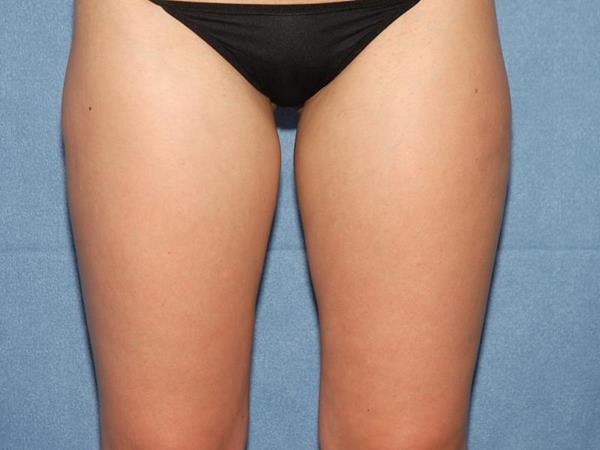
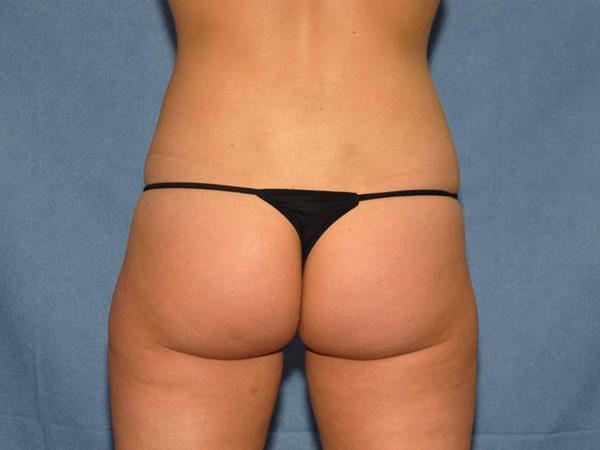
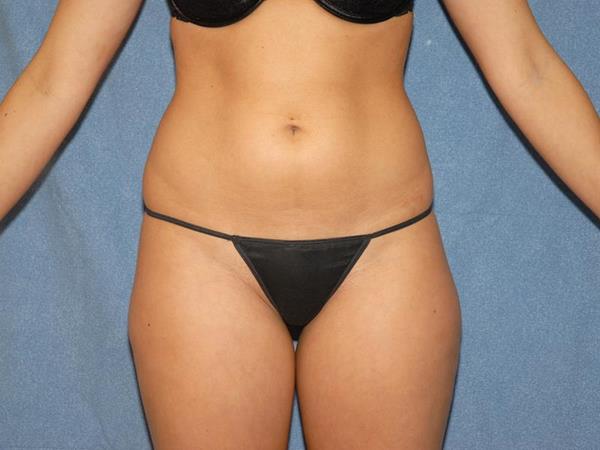
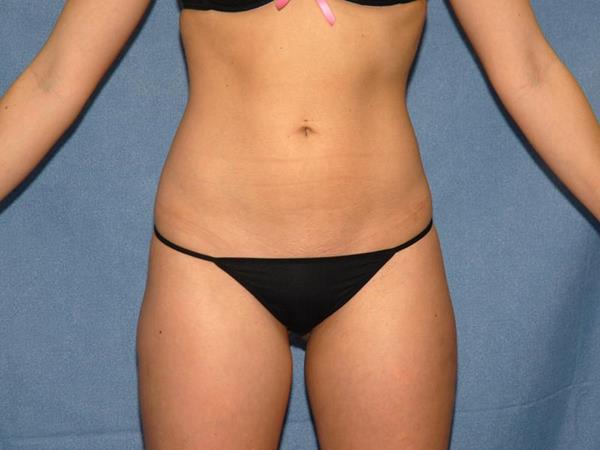
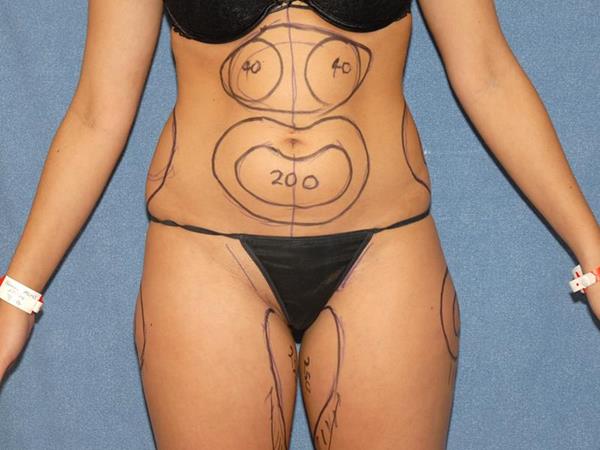
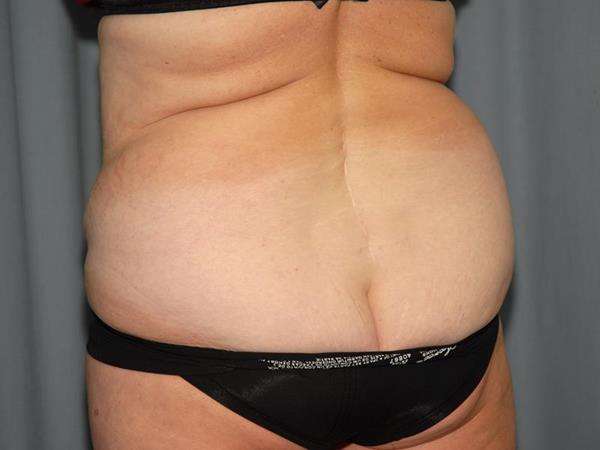
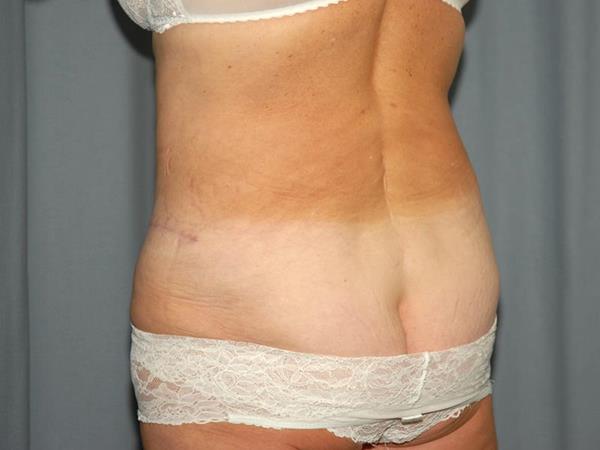
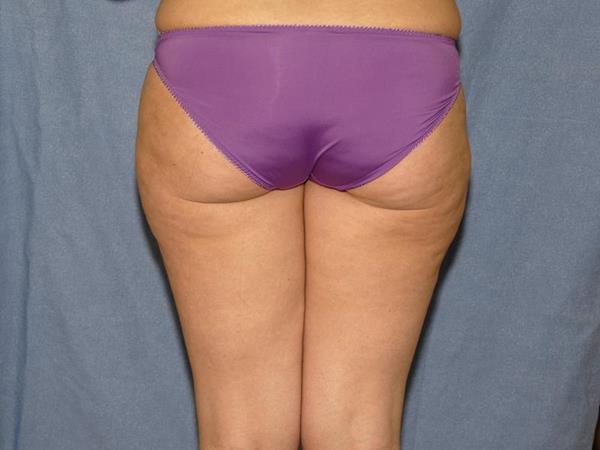
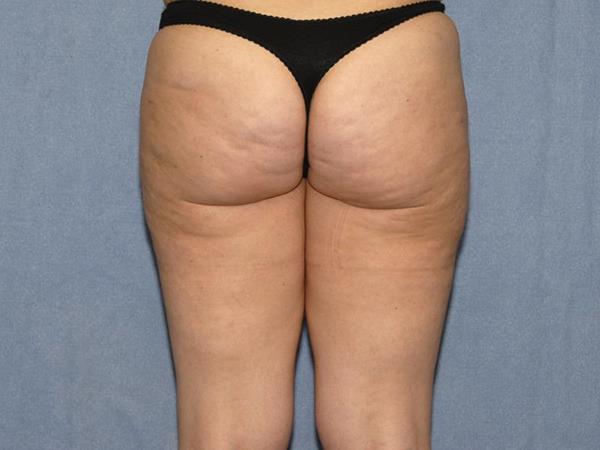
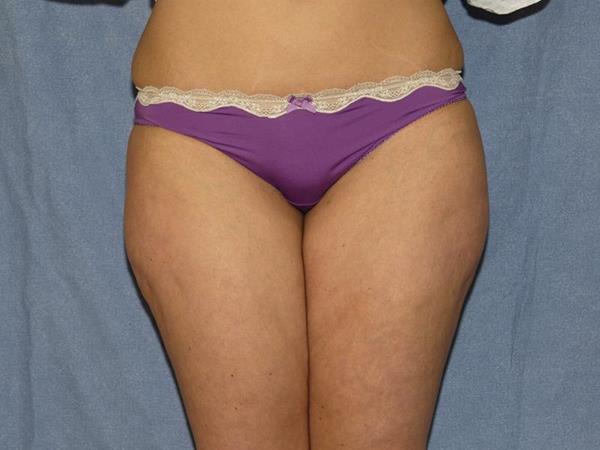
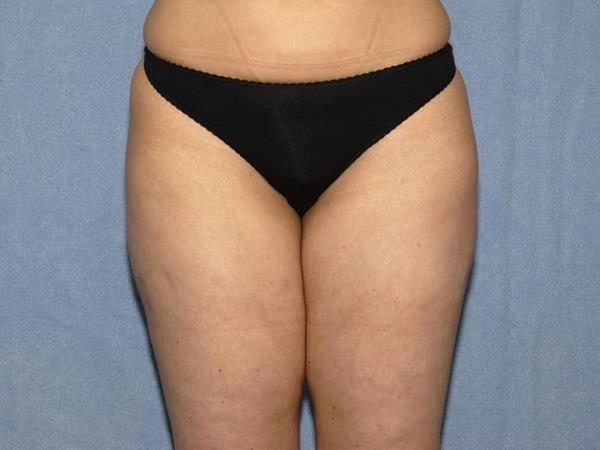
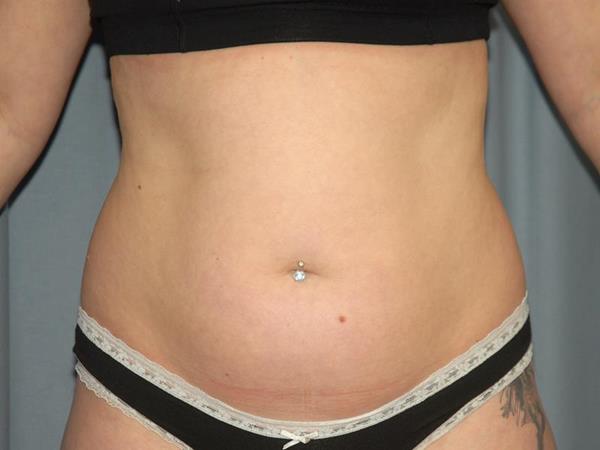
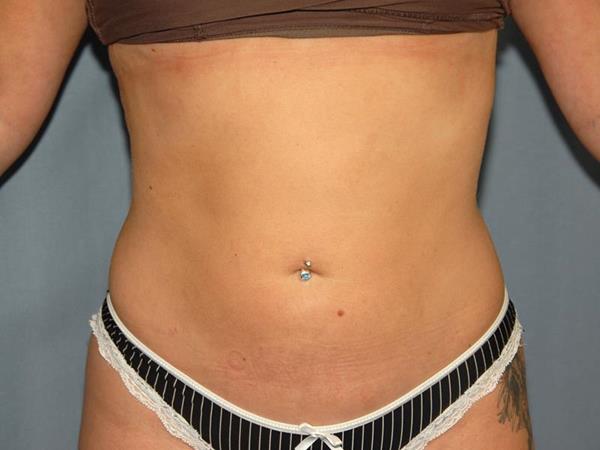
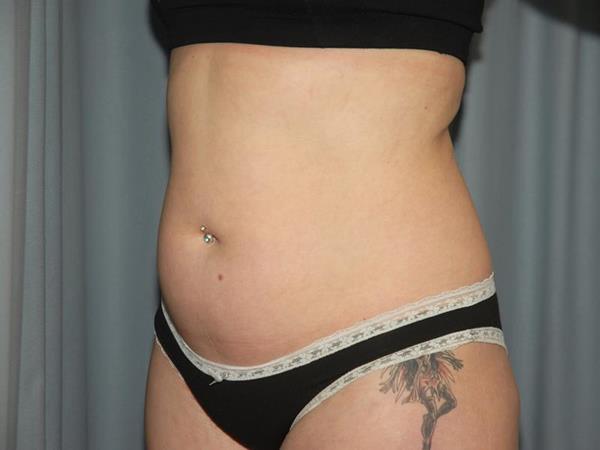
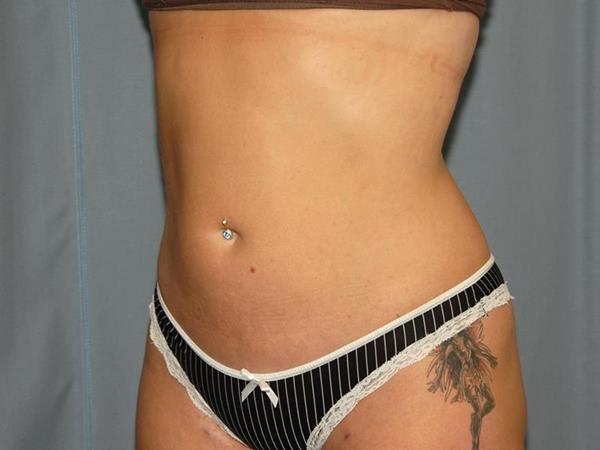
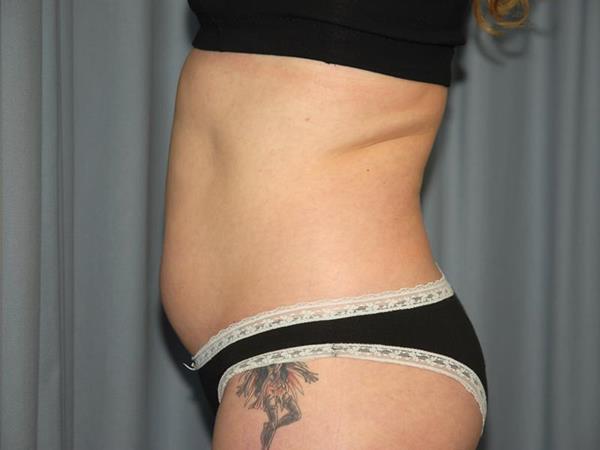
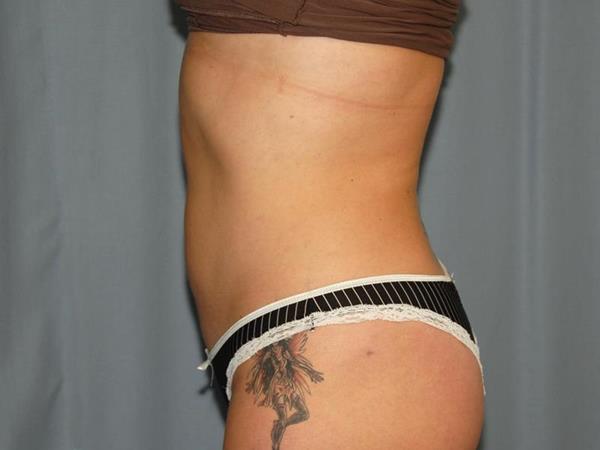
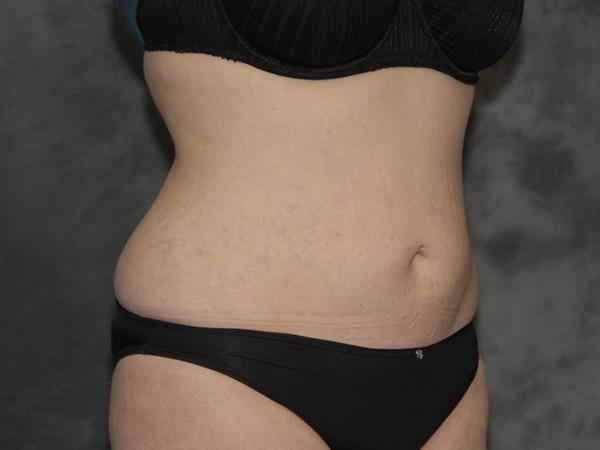
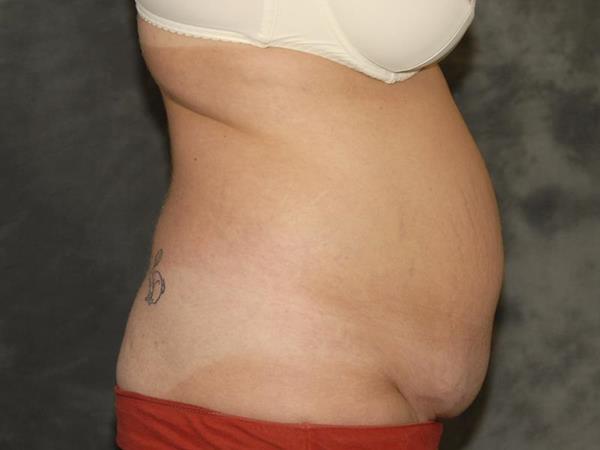
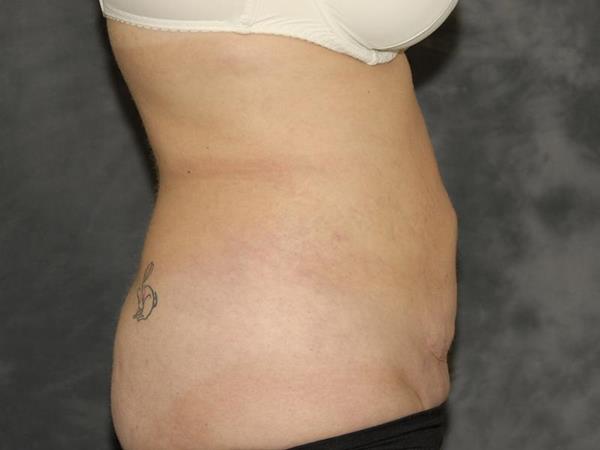
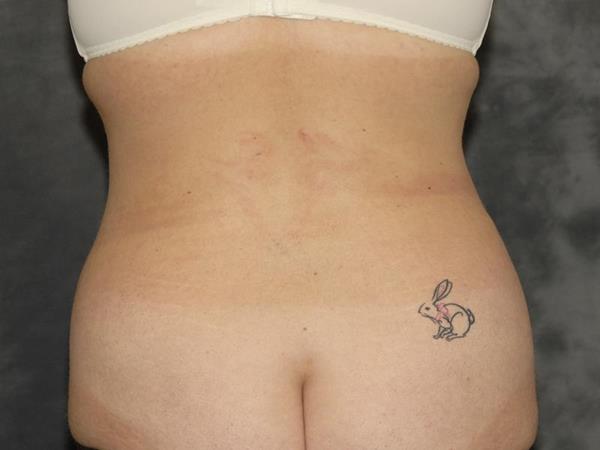
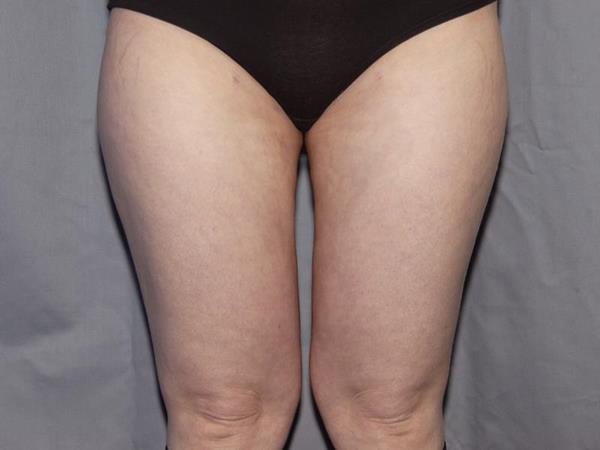
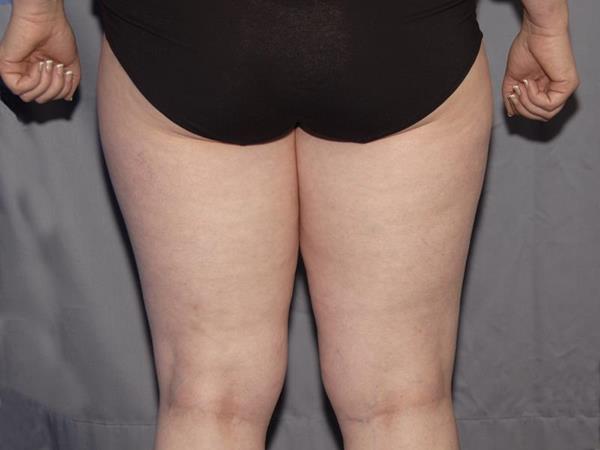
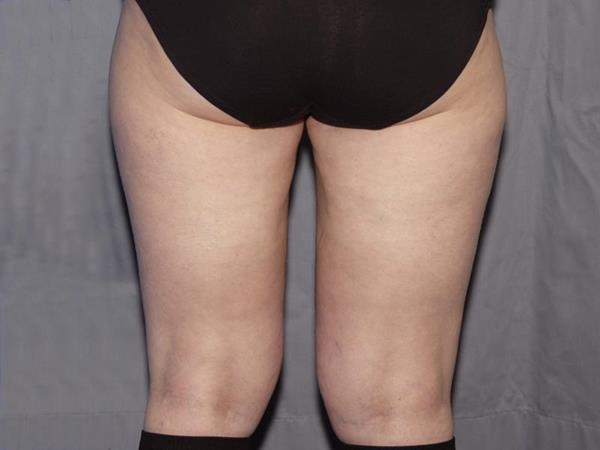
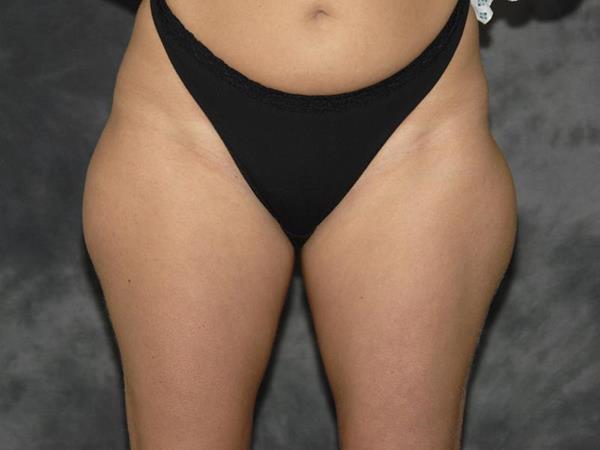
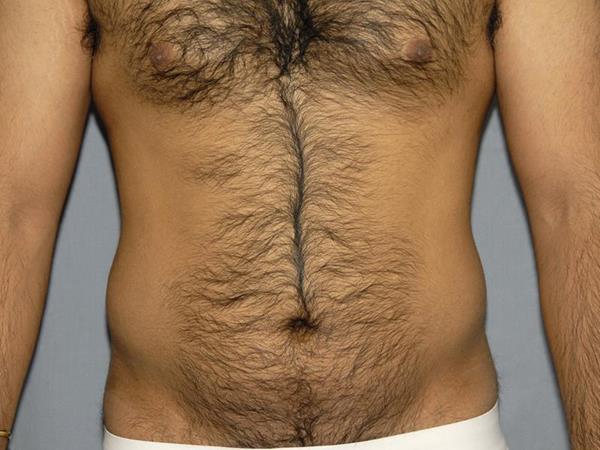
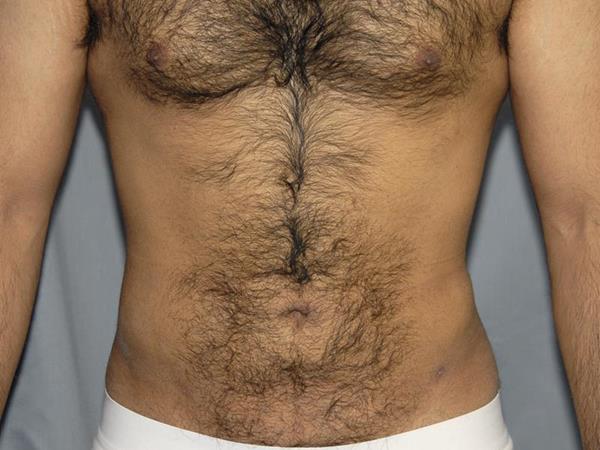
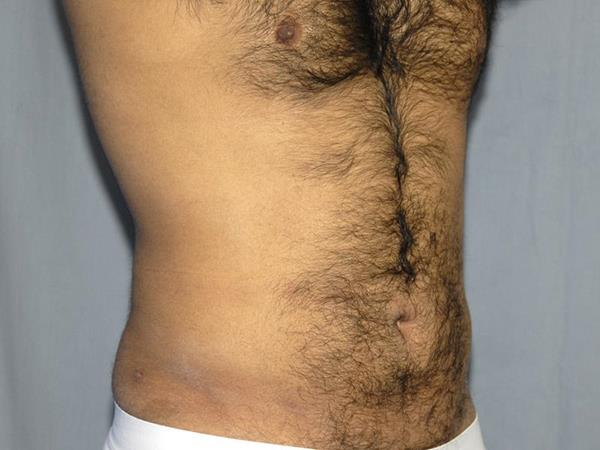
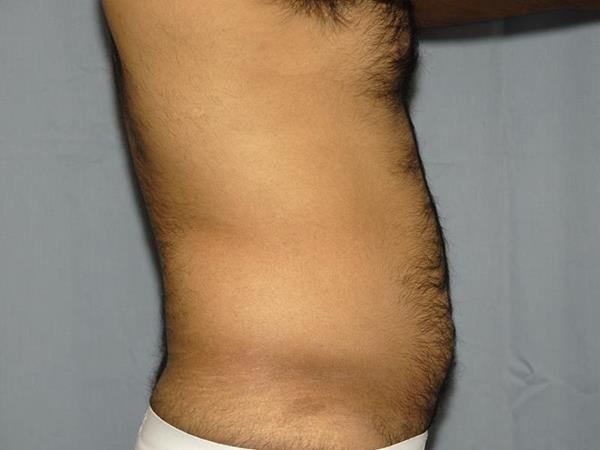
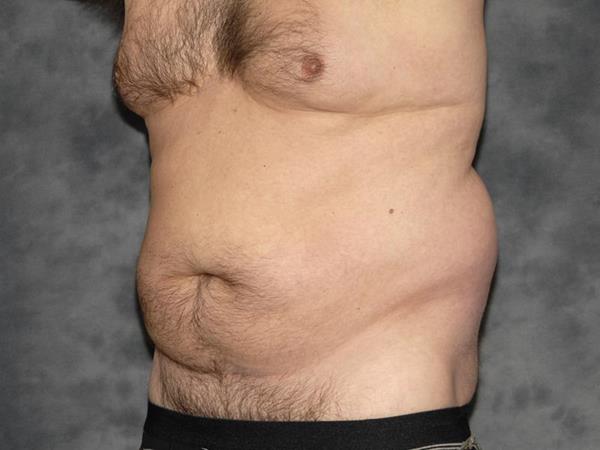
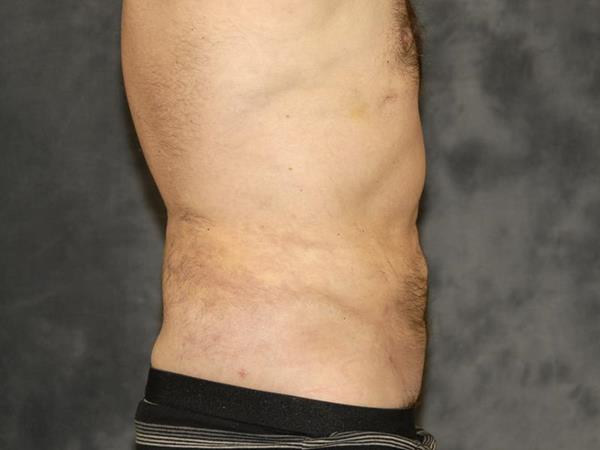
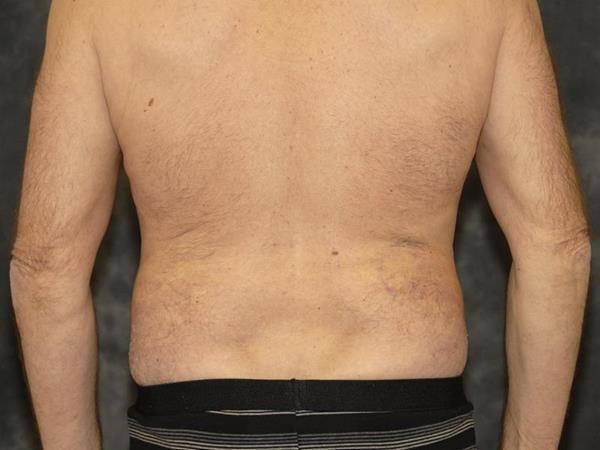
The great majority of healthy people undergoing a liposuction have an uneventful recovery and are very pleased with the outcome of their surgery. However as with all surgery there is the potential for complications. Complications include those of having a general anaesthetic, complications that may occur with any operation and those that are particular for liposuction.
General anaesthetic.
There are the risks of having a general anaesthetic such as allergic reactions, chest problems such as a chest infection and the possibility of clots in the legs (deep vein thrombosis). Underlying medical conditions e.g. asthma can be aggravated. Where there is heart disease or the blood vessels to the brain are diseased there is the risk of heart attacks or strokes. In general if you are healthy, modern general anaesthetics are very safe. If you are concerned about your anaesthetic we can arrange for you to meet with an anaesthetist before your surgery to discuss your concerns.
Local anaesthetic:
Local anaesthetic is a drug which is injected into the tissues to stop the sensation of pain. Operations including liposuction can be carried out with local anaesthetic with the patient awake. With liposuction under local anaesthetic there is a small risk of over dose from the local anaesthetic. In practice this is very rare because the anaesthetic is used in low concentration.
Bleeding and haematoma:
Liposuction may cause bleeding. The use of wet or tumescent techniques reduces bleeding. A build up of bleeding under the skin may cause a lump called a haematoma. This may be felt as a hard tender lump. Usually these resolve over time but can take weeks or months. It would be most unusual to need a blood transfusion following liposuction.
Skin necrosis:
Liposuction can reduce the blood supply to the skin and rarely the skin overlying the treated area can die. This may result in the need for further surgery. Healing may be slow and the scarring after it has healed, poor. These complications are more likely if you are overweight, a smoker or have other medical conditions such as diabeties. In healthy non smoking people this is a very rare complication.
Infection and slow wound healing:
Infection can occur following liposuction. Most wound infections settle down with a short course of antibiotics. A serious wound infection could lead to skin necrosis as described above. Infection is more likely if you are overweight, a smoker or have other medical conditions such as diabetes. In healthy non-smoking people this is a very rare complication.
Damage to deep structures:
There have been reports of damage to structures of the body. With liposuction to the abdomen there is the risk of the cannula passing into the abdomen. This could cause bowel perforation and peritonitis. This would represent a very serious complication. With a well trained and experienced surgeon the risk should be very low. With liposuction to the upper trunk the same risk applies to the chest. Liposuction to the neck carries a particular risk of damage to a branch of the facial nerve. This can lead to asymmetry of the mouth which may be more obvious with movement e.g. smiling. Usually this is caused by stretching of the nerve and it recovers but this can take a few months.
Seroma:
Seroma is a build up of tissue fluid in the wound. This causes swelling which may need to be drained but usually resolves on its own.
Scarring:
Scars vary from one person to another. Most scars stay pink for several months then fade to pale. Some scars can be thin pale lines but this can never be guaranteed. Poor scars may stretch and be wide. Scars may stay red or become pigmented (brown). Sometimes scars become lumpy, hypertrophic or keloid.
Over or under correction:
The amount of fat to be removed with liposuction is a matter for clinical judgment. There is the possibility that too much fat is removed or that you feel not enough fat has been removed. It is generally better to remove too little rather than too much as it is easier to remove more later than to put fat back.
Skin irregularities and laxity:
The elasticity of the skin is very important in the end result from liposuction. If the skin has little elasticity it is more likely that the skin will show irregularities following liposuction. With larger amounts of fat removal there is the possibility that the skin will be loose and wrinkled following the procedure.
Lumpy tenderness:
Following liposuction the tissues under the skin tend to swell, may feel hard and be tender. This usually settles over a few weeks. In some people this may take longer but usually settles over a few months. Permanent lumpy tenderness is rare.
Unrealistic expectations:
It is important to have realistic expectations of what surgery can achieve for you. Remember you can always return for a further consultation to discuss your surgery before you actually have the operation. You must also realise that surgery does not change you as a person. You should not have surgery for or to please someone else.
Deep vein thrombosis (DVT):
Deep vein thrombosis is where the blood in the deep veins of the leg clots (thrombosis). This can follow any operation which involves a general anaesthetic or results in immobility. Liposuction carried out under general anaesthetic particualry if mobility is reduced afterwards carries a risk of DVT. A serious complication of a DVT is where a thrombus breaks off and travels to the lungs in what is called a pulmonary embolus or PE. A large PE can be fatal. During your operation and time in hospital we will take measures to protect you from DVT formation although these can not guarantee complete protection. Once you go home the best protection is regular walking.