Infected Cysts

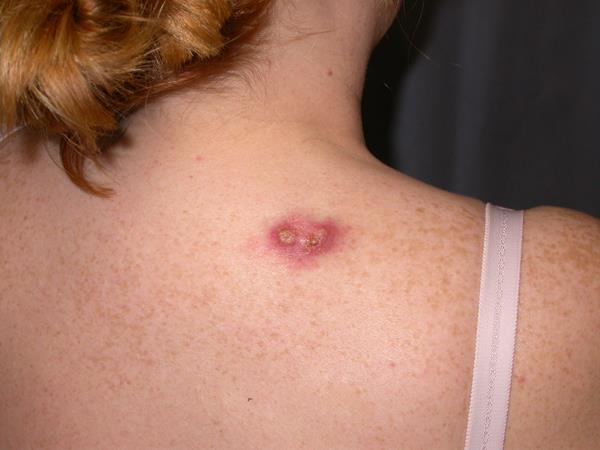
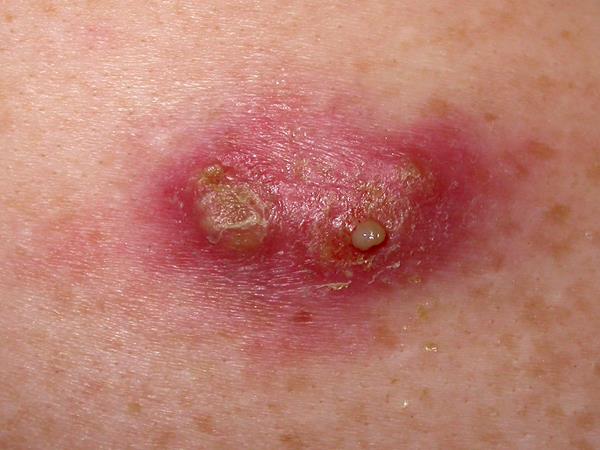
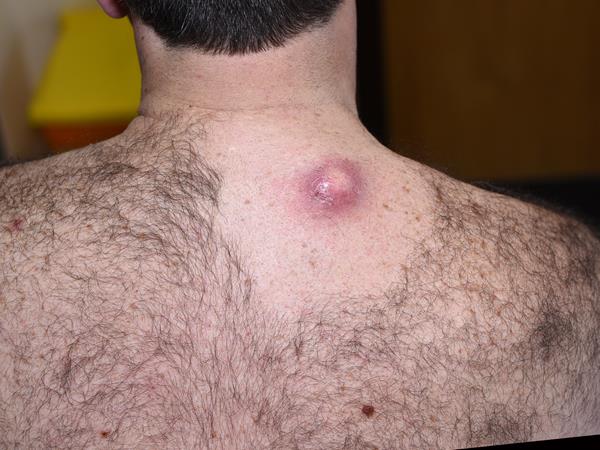
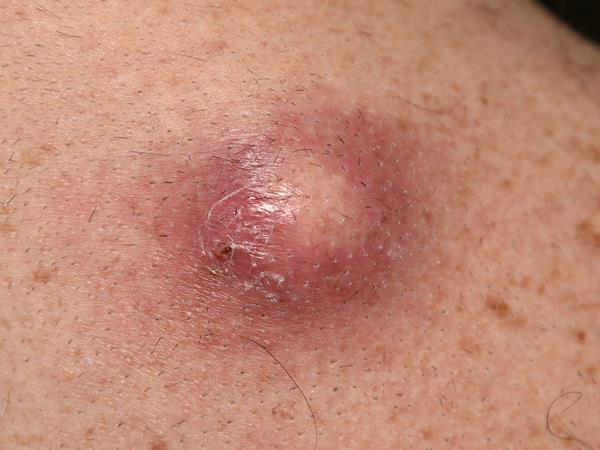
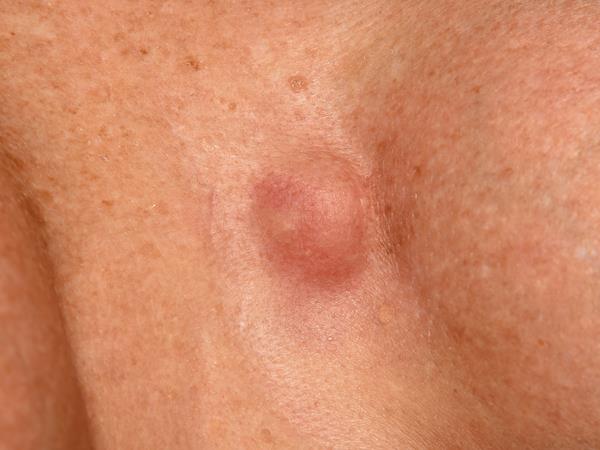
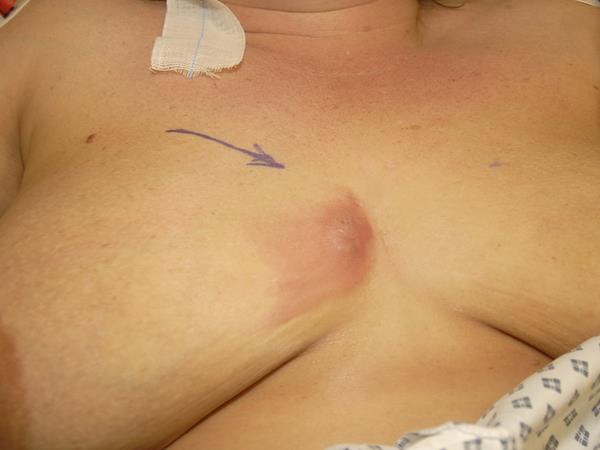
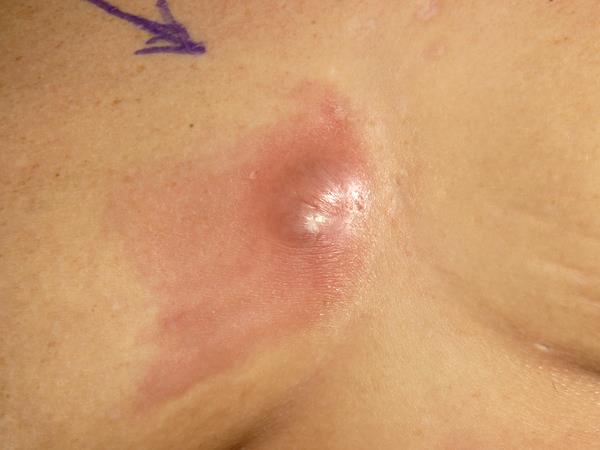
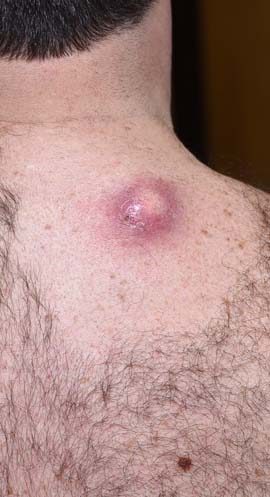
Infected cysts may be red and tender. As the infection progresses it may result in an abscess and the cyst becomes filled with pus.

Infected Cysts
Infected Cysts Removal

20+ Years

Experience

The Procedure

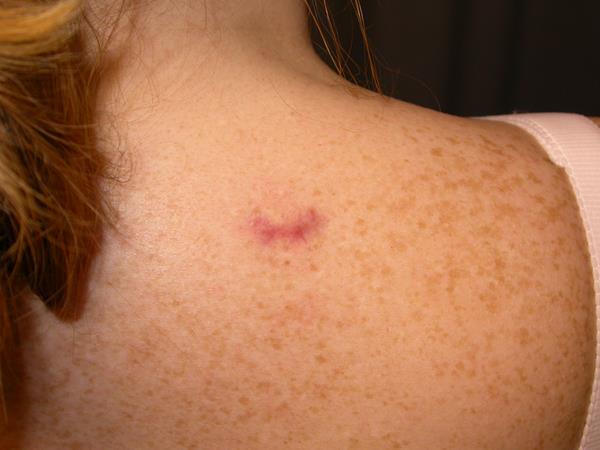
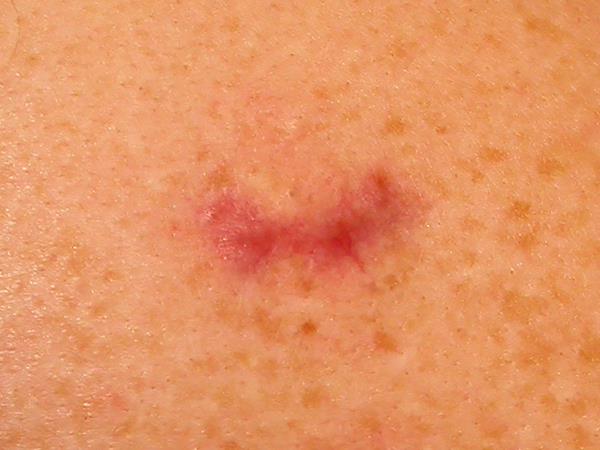
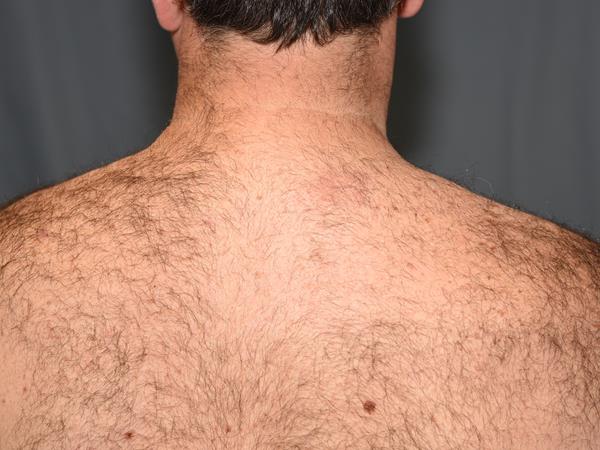
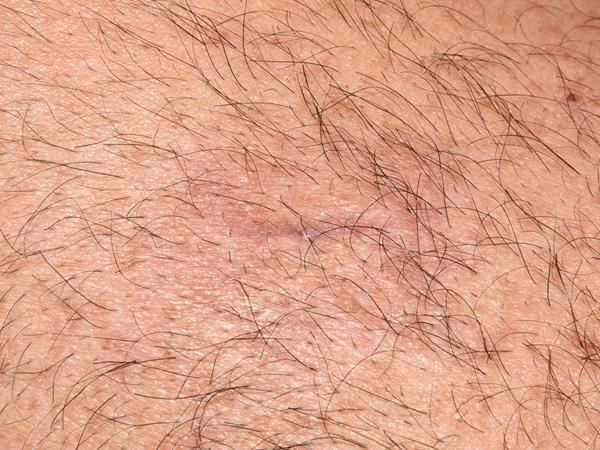
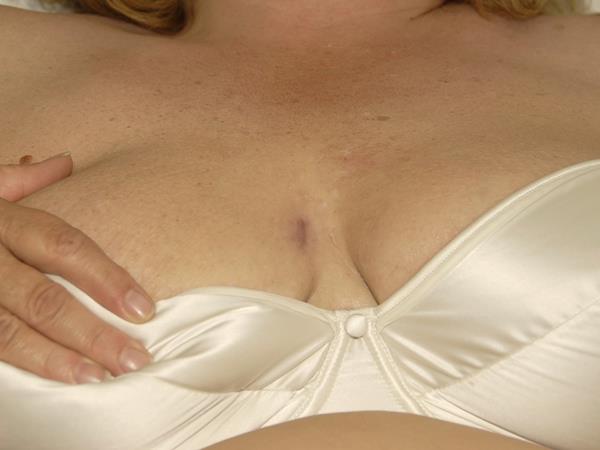
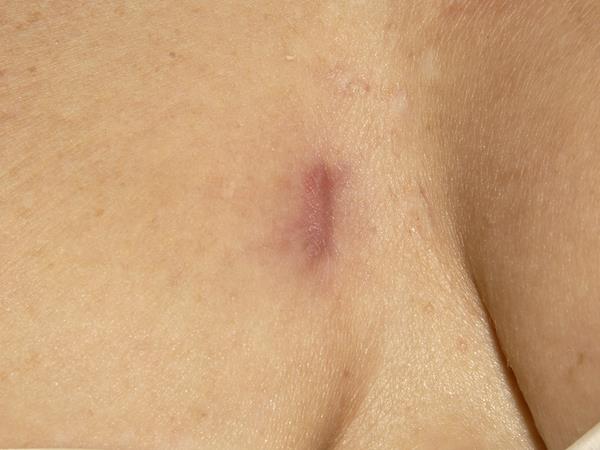
Infected cysts may be red and tender. As the infection progresses it may result in an abscess and the cyst becomes filled with pus. Once a cyst is infected it is usually best drained or emptied of its contents medically called ‘incision and drainage’. This is certainly the best treatment once it has formed an abscess. Once it has healed a decision needs to be made as to whether there is a residual cyst left behind and if this should be removed.

For more information on cysts please see my skin cysts page.

Frequently Asked Questions

Skin cysts are often filled with dead skin cells. If bacteria get into the cyst the body can not fight the infection. The bacteria multiply in the cyst and infect the surrounding skin. Ultimately the body mobilises white blood cells to kill the bacteria and pus forms the cyst then becomes replaced by pus and is called an abscess. These may then discharge through the skin. At this stage it is usually best to drain the abscess surgically as this will enable a complete evacuation of the pus and dead skin cells. Once the pus and dead cells are removed the resulting wound will usually heal up.

A slightly infected cyst can sometimes be surgically removed as for a non-infected cyst. Once the infection has progressed to an abscess then it needs to be drained. A cut is made in the roof of the abscess and the contents allowed to drain out. Medically this is called an incision and drainage or I and D for short.

Drainage of a cyst may be possible under a local anaesthetic or a freezing spray. Larger abscesses may require a general anaesthetic.

Antibiotics are not usually the best the treatment as they can not penetrate into the centre of the cyst or abscess. If there is a lot of surrounding infection antibiotics may be prescribed at the time of drainage.
Drainage of a cyst may be sufficient to treat the cyst. However it may leave residual cyst wall which may then cause the cyst to re-form. Once reformed it may then become infected again. In general if there is a residual lump after healing of an infected cyst then this is suggestive of a residual cyst. Although it is reasonable to adopt a wait and see approach it is also reasonable to surgically remove the lump to try and prevent the cycle of cyst growth and infection repeating itself.

Before & Afters

Infected Cysts 1

Removal on infected cyst on shoulder

Infected Cyst 2

Removal on infected cyst on shoulder

Infected Cysts 3

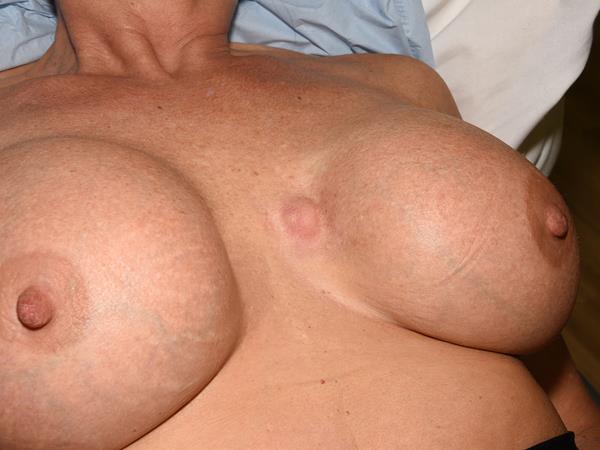
Sebaceous cyst (epidermal cyst) on breast.

Infected Cysts 4

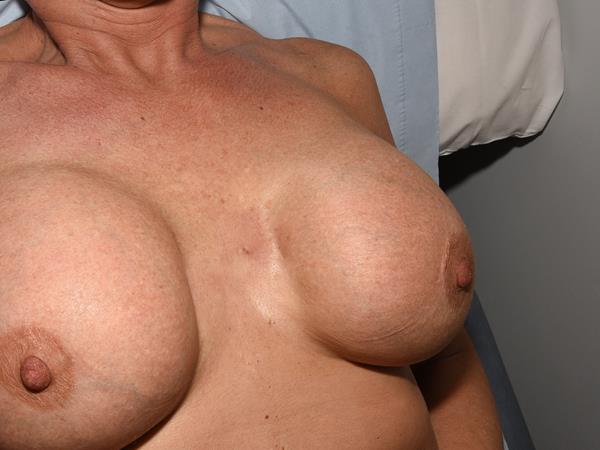
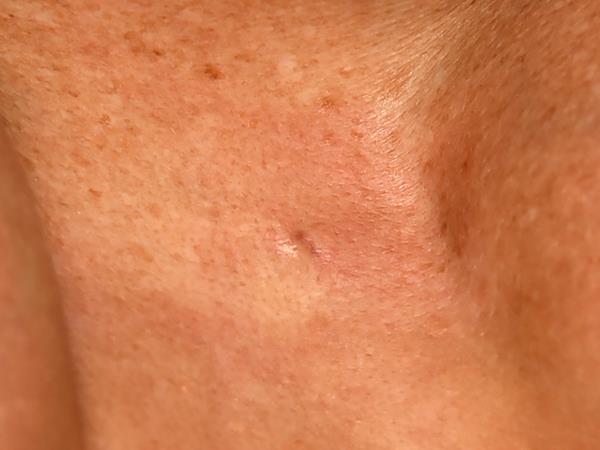
Sebaceous cyst (epidermal cyst) on breast.